


Planning a multi‑country trip in Asia can be one of the most exciting travel experiences anyone can undertake. With its rich cultures, diverse landscapes, mouthwatering food, and dynamic cities, Asia offers travelers a lifetime of memories. Recent travel reviews and news highlight how many people are choosing extended journeys across multiple destinations instead of staying in just one place. This guide walks through everything needed to plan such a trip confidently, from budgeting and route planning to visas, packing, and local tips.
Whether someone is heading to iconic cities, remote islands, or historic cultural sites, this article breaks the process down into manageable steps, with clear comparisons, practical tips, and answers to common questions. By the end, travelers will be ready to build an itinerary that suits their pace, budget, and interests, ensuring every moment of their Asia adventure is memorable and free from common pitfalls.
Why Asia Is a Top Choice for a Multi‑Country Trip
Asia has emerged as one of the most popular regions for travelers who want variety in one journey. The continent includes bustling metropolises like Tokyo and Seoul, tropical beaches in Thailand and Vietnam, ancient temples in Cambodia and Myanmar, and unique food scenes from India to Indonesia.

Travel trends show many visitors choose to travel across borders to get a full taste of what Asia offers. With affordable flights, efficient rail systems, and increasingly tourist‑friendly infrastructure, moving between countries has become easier than ever. Each destination offers cultural experiences, natural beauty, and historical richness that blend into one unforgettable adventure.
Whether travelers are food lovers, history buffs, or adventure seekers, Asia holds a combination of experiences that few places in the world can match.
Step 1: Choose Your Destinations
The first step in planning a multi‑country trip is to choose where to go. Asia is vast, so start by listing the places that appeal most, then narrow down based on time, budget, and priorities.
Common Regional Groupings
Choosing regions helps keep travel manageable and reduces unnecessary long flights.
Southeast Asia
- Thailand
- Vietnam
- Cambodia
- Malaysia
- Singapore
- Indonesia
East Asia
- Japan
- South Korea
- China
- Taiwan
South Asia
- India
- Nepal
- Sri Lanka
- Bangladesh
Central Asia
- Uzbekistan
- Kazakhstan
- Kyrgyzstan
Each region has its own travel rhythm. Southeast Asia is known for tropical beaches and markets, while East Asia offers modern cities and cultural heritage. South Asia blends food, history, and spiritual journeys, while Central Asia highlights Silk Road landmarks.
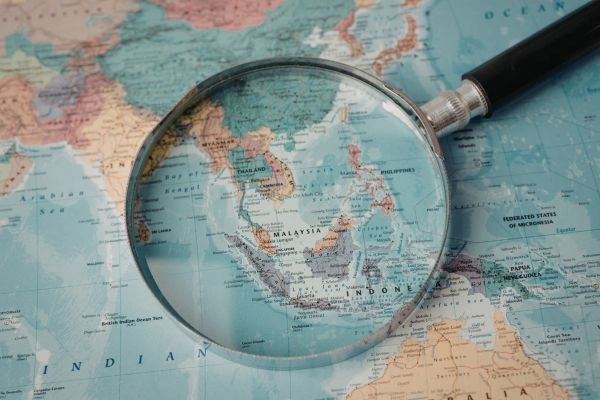
Tips for Choosing Cities
- Flight Hubs like Bangkok, Singapore, and Tokyo offer easier connections.
- Seasonal Weather matters. Beaches are best in dry seasons, while mountains are best in cooler months.
- Festivals can add a cultural highlight, but also increase crowds and prices.
Step 2: Set a Realistic Budget
Budgeting is essential for a smooth trip. Asia can be very affordable, but costs vary widely by country and travel style.
Typical Daily Costs by Region
| Region | Best For | Vibe | Average Cost |
|---|---|---|---|
| Southeast Asia | Beaches, food, markets | Relaxed, lively | $40‑$120/day |
| East Asia | Modern cities, temples | Fast, structured | $80‑$200/day |
| South Asia | Spiritual sites, nature | Cultural, intense | $30‑$100/day |
| Central Asia | Silk Road history | Quiet, off the beaten track | $50‑$150/day |
These ranges include accommodation, food, local transport, and gentle sightseeing. Big cities and tourist hubs tend to sit at the higher end.
Ways to Save Money
- Book flights in advance, especially region‑to‑region flights.
- Opt for local transport like buses and trains rather than taxis.
- Eat at street stalls and local cafes instead of upscale restaurants.
- Stay in guesthouses, hostels, or boutique hotels rather than big resorts.
Travel platforms and recent reviews emphasize that travelers who plan for major expenses like flights and hotels can save significantly and avoid last‑minute price surges.
Step 3: Plan Your Route
Planning the route means deciding which cities to visit and in what order. This impacts costs, travel time, and overall experience.
Route Planning Strategies
Start With a Hub
Begin in a major city that serves as a flight hub. Places like Singapore, Bangkok, Tokyo, and Seoul are popular starting points because they connect to many regional flights.
Move in a Logical Direction
Avoid backtracking by planning a loop or line through countries. For example:
- Start in Bangkok, then go to Siem Reap, then Ho Chi Minh City.
- In East Asia, start in Tokyo, then go to Seoul, then Taipei.
Check Flight Deals
Budget airlines like AirAsia, Scoot, and Peach often offer cheap flights between cities. Booking early and using low‑cost carriers can cut the overall price.
Step 4: Research Visa Requirements
Visas are a crucial part of travel planning, especially for multi‑country trips.
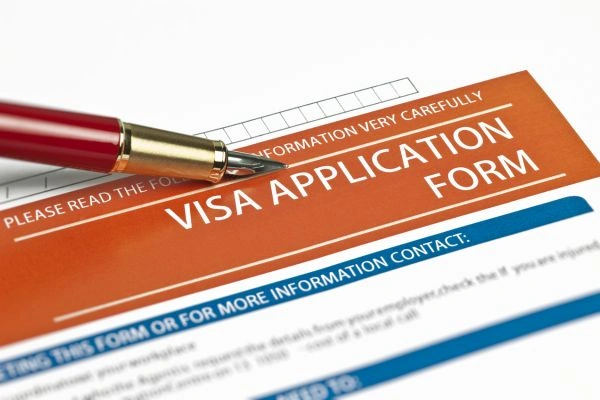
Common Visa Situations
- Visa‑Free Entry allows visitors from many countries to enter for short stays without a visa.
- Visa on Arrival is available in places like Cambodia and Indonesia for certain nationalities.
- E‑Visa systems allow travelers to apply online before arrival.
- Traditional Visa may require visiting a consulate or embassy ahead of time.
Each country has its own rules. Before booking flights, check official government websites or trusted travel resources to confirm entry requirements based on passport nationality.
Step 5: Book Flights and Local Transport
Once destinations and visas are set, it is time to book flights and plan local transport.
International Flights
Many travelers start with the long‑haul flight to the first destination and then book separate regional flights. Multi‑city tickets can also be a good deal, especially if timing works well.
Regional Transport
Flights
Budget airlines connect many cities. Be sure to check baggage rules and seating options.
Trains
Countries like Japan, China, and India have efficient rail networks. Trains can be scenic and often deliver a comfortable experience.
Buses
Long‑distance buses are cheap and widely available in Southeast Asia and India.
Step 6: Book Accommodation
Booking accommodation early can lock in better rooms and prices.
Types of Places to Stay
- Hostels: Great for budget travelers and social experiences.
- Guesthouses: Comfortable and often very affordable.
- Hotels: A wide range from budget to luxury.
- Boutique Stays: Offer local charm and personalized service.
- Apartment Rentals: Good for longer stays or groups.
Choose places close to public transport or city centers to reduce commute time.
Step 7: Pack Smartly
Packing for a multi‑country trip means preparing for different climates and activities.
Essentials to Bring
- Travel documents: Passports, visas, flight details, insurance.
- Universal adapter: Asia has a mix of plug types.
- Light clothing: Most of Asia is warm, but bring layers for cooler climates.
- Medication and first‑aid kit: Basic medicines and prescriptions.
- Reusable bag and water bottle: Reduce waste and help with daily travel.
Pack light to make transit easier between cities and countries.
Step 8: Stay Healthy and Safe
Health and safety should be part of travel planning.
Trusted Practices
- Drink bottled or purified water in places where tap water is unsafe.
- Eat fresh, cooked food, and be cautious with street food if sensitive stomachs are an issue.
- Use reputable transport and avoid unmarked taxis.
- Keep digital and physical copies of travel documents.
Travel and safety news highlight that travelers who stay aware of local conditions, weather, and health advisories enjoy more comfortable trips.
Step 9: Experience Local Culture
A multi‑country trip is as much about people and culture as it is about sights.
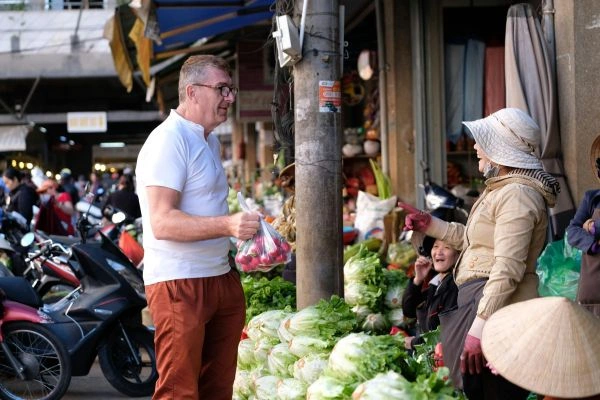
Ways to Immerse
- Visit local markets and try street food specialties.
- Attend festivals and cultural performances.
- Take cooking classes or craft workshops.
- Learn simple phrases in local languages.
Interacting with locals adds depth and meaning to a journey that no guidebook can fully capture.
Regional Comparisons for Planning
| Region | Best For | Vibe | Average Cost |
|---|---|---|---|
| Southeast Asia | Beaches, food, markets | Relaxed, lively | $40‑$120/day |
| East Asia | Modern cities, temples | Fast, structured | $80‑$200/day |
| South Asia | Spiritual sites, nature | Cultural, intense | $30‑$100/day |
| Central Asia | Silk Road history | Quiet, off the beaten track | $50‑$150/day |
These comparisons help travelers decide which regions fit their interests and budgets.
Common Mistakes to Avoid
Booking Too Late
Flights and hotels can fill up or rise in price quickly.
Not Checking Entry Rules
Each country’s entry rules change often, so double‑check before traveling.
Overplanning
Trying to visit too many places can make a trip feel rushed. Leaving space for spontaneous experiences often leads to better memories.
Ignoring Local Customs
Understanding dress codes, greetings, and etiquette shows respect and leads to smoother interactions.
Frequently Asked Questions
How Many Countries Can I Visit in One Trip?
There is no strict limit, but three to five countries in one journey is common for a 2‑4 week trip.
What Is the Best Time to Visit Asia?
It varies by region. Southeast Asia is best in the dry season. East Asia has pleasant spring and fall months. Check the local weather before planning.
Do I Need Travel Insurance?
Yes. Insurance for medical issues, lost luggage, and trip changes is strongly recommended.
Can I Use My Phone Data Easily?
Most cities offer easy SIM or eSIM options, but check prices and coverage before arrival.
Is It Easy to Travel Solo?
Yes. Many travelers enjoy traveling in Asia solo because of affordable transport, friendly locals, and a wide travel infrastructure.
Make Every Moment Count on Your Asia Adventure
Planning a multi‑country trip in Asia can feel overwhelming, but breaking it down into steps makes the process much easier. With thoughtful planning, a realistic budget, and a clear route, travelers can explore diverse landscapes, rich cultures, and unforgettable experiences. Whether wandering historic temples, sampling street food, or relaxing on tropical beaches, this journey offers a lifetime of memories.
Travel & Shops provides practical guidance, insider tips, and reliable recommendations to help every traveler build an itinerary that fits their dreams and expectations. With careful planning and curiosity, a multi‑country trip in Asia becomes a journey of discovery worth every moment.